CDC Issues New Report On Chikungunya In The United States
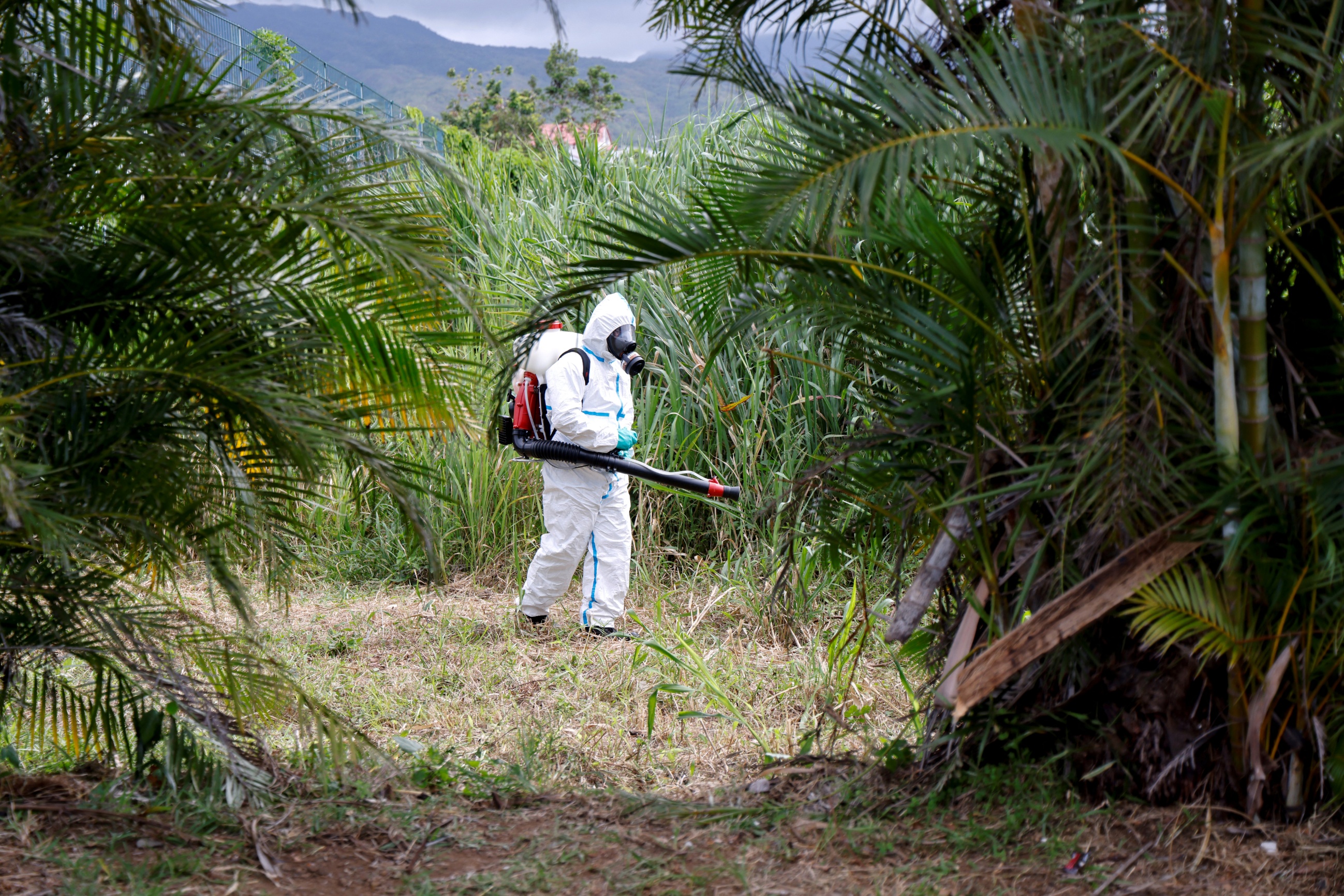
The Centers for Disease Control and Prevention released new information about Chikungunya in the United States. Health officials are tracking this mosquito illness to keep the public informed about current risks. Everyone should learn the main symptoms and how to protect themselves from mosquito bites this season.
What is Chikungunya in the United States?
The CDC is monitoring Chikungunya to help people understand how virus cases spread. Mosquitos pass this sickness to humans through simple bites during warm weather. Most people who catch it develop a high fever and very painful joints strong enough to stop their daily plans.
Many patients also get severe headaches, joint swelling, muscle pain, or a red rash on their skin. Symptoms usually start three to seven days after an infected mosquito bites a person. Most patients feel better within a week, but the joint pain can sometimes last for months.
How does the CDC track Chikungunya cases?
The CDC works with state health departments to count every case found in the country. Doctors report test results directly to public databases so experts can spot sudden outbreaks quickly. Official tracking helps local teams plan mosquito control work in towns that need extra spraying.
Here are key steps health teams take to handle this virus:
- Counting reported cases across all states every week.
- Testing local mosquito groups to find hidden virus activity early.
- Teaching families simple ways to clear standing water around homes.
- Helping doctors recognize symptoms quickly during standard patient checkups.
How do you protect your family from mosquito bites?
You can protect yourself by using bug spray that contains proven active safety ingredients. Wear long sleeves and pants whenever you go outside during early morning or late evening hours. Make sure your window screens stay in good shape so bugs remain outside your home.
Look around your yard and drain any standing water sitting in empty flower pots or buckets. Mosquitos lay their eggs in still water, so clearing it away stops new bugs from growing. Taking these simple steps around your house keeps your whole family much safer all summer long.
What happens next with CDC health tracking?
The CDC will keep sharing updates about illness counts so families stay informed about local health risks. Public agencies use this ongoing research data to improve health response plans across every state. Learning about Epidemiology of chikungunya helps leaders prepare better medical care for future travel seasons.
Travelers should always check official CDC health pages before heading out on trips abroad or to warmer regions. Following everyday safety advice cuts down your chances of getting sick from unexpected bug bites. Staying alert helps keep local neighborhoods safe from preventable mosquito illnesses every day of the year.


Comments
Post a Comment