Man Records Final Journey of Ship He Sailed on as a Boy
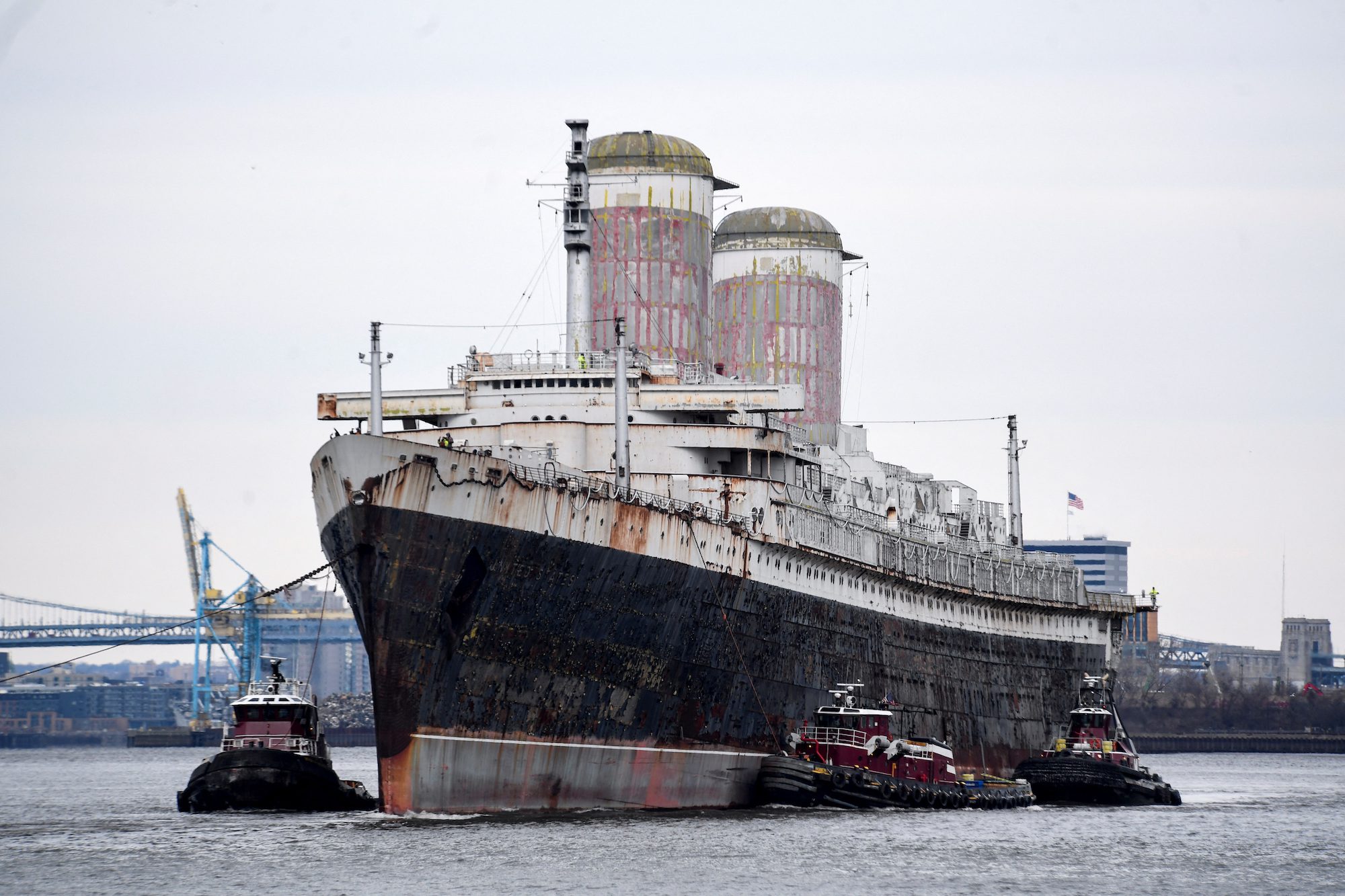
A traveler who sailed on a famous ship as a young boy has now documented its final journey. He took a final trip on the vessel to record its historic last voyage. This special story shows how a personal childhood memory connected with the end of a long era at sea.
Why would a traveler return to record a ship final journey?
Many people form strong memories when they travel on big ships during their youth. Riding on an ocean vessel as a child can feel like a huge adventure that stays in your mind forever. Returning to that same vessel decades later gives a person a rare chance to say goodbye to a piece of their own past.
When a historic vessel makes its last run, historians and fans want to capture every single detail. People record these trips with photos, audio, and written logs so future generations can learn about them. Documenting the end of a famous vessel ensures that its long history on the water is not forgotten. Ships often carry thousands of passengers over the years, making their final trips a big moment for many families.
What happens during the final journey of a famous vessel?
The last trip of a ship is usually a very special event for the crew and all the passengers on board. People often spend their time walking the decks, looking at old rooms, and sharing stories about past trips. The atmosphere can feel both happy and sad as everyone realizes the ship will not sail the open ocean ever again.
Workers on the ship also get ready to retire the vessel once the final trip comes to an end. They clean out equipment, secure the decks, and prepare the vessel for its next steps off the water. You can learn more about historic ocean travel by reading about the Voyages of Christopher Columbus and how people traveled hundreds of years ago. These final trips help bring a proper close to many years of hard work at sea.
How do people record history on the open ocean today?
Today, people use modern tools to film decks, record sounds, and write down daily stories from the water. Travelers can share these updates online very quickly so that others around the world can watch along. Documenting a final trip helps keep the story of the vessel alive for anyone who loves ocean history.
In past centuries, keeping records on a boat was much harder and required hand-written logbooks. For example, history fans often study famous old vessels like the Batavia (1628 ship) to see how people logged their time at sea long ago. Modern technology lets everyday people capture these historic moments in high detail. Anyone can now save memories of a great trip for the future.
What is next for historic ships after their last trip?
Once a ship finishes its last voyage, it usually heads to a final port to be taken out of service. Some old vessels are turned into floating museums where tourists can walk around and learn. Others are recycled for their metal or moved to safe docks where they can rest permanently without sailing.
For the passengers who rode these vessels, seeing the end of an era is a deeply personal moment. The boy who grew up and returned to record the final trip helped save an important memory for everyone. Stories like this remind us how travel can connect our past memories with the present day.


Comments
Post a Comment